

A safe, compassionate space
We offer multiple forms of practical assistance, from therapy to support through complaints processes to providing opportunities to get involved in our Arts ad Archive programmes. We strive to provide a safe space where you feel heard, believed and supported.
Support from Experts and Peers
We provide a safe, compassionate space where you can share your experiences and feel heard, believed and supported - without judgement or pressure. Practical support we can provide includes:

Legal Support
We help you understand your rights and the options available to you - whether that’s navigating complaints processes or exploring civil cliams. We can also connect you with specialist lawyers experienced in abuse and civil litigation cases.

Therapeutic Support
Our members can access specialist therapeutic support. This includes online group therapy and in certain circumstances 1:2:1 therapy. All our therapy is delivered by qualified psychotherapists with lived experience of abuse in gymnastics.
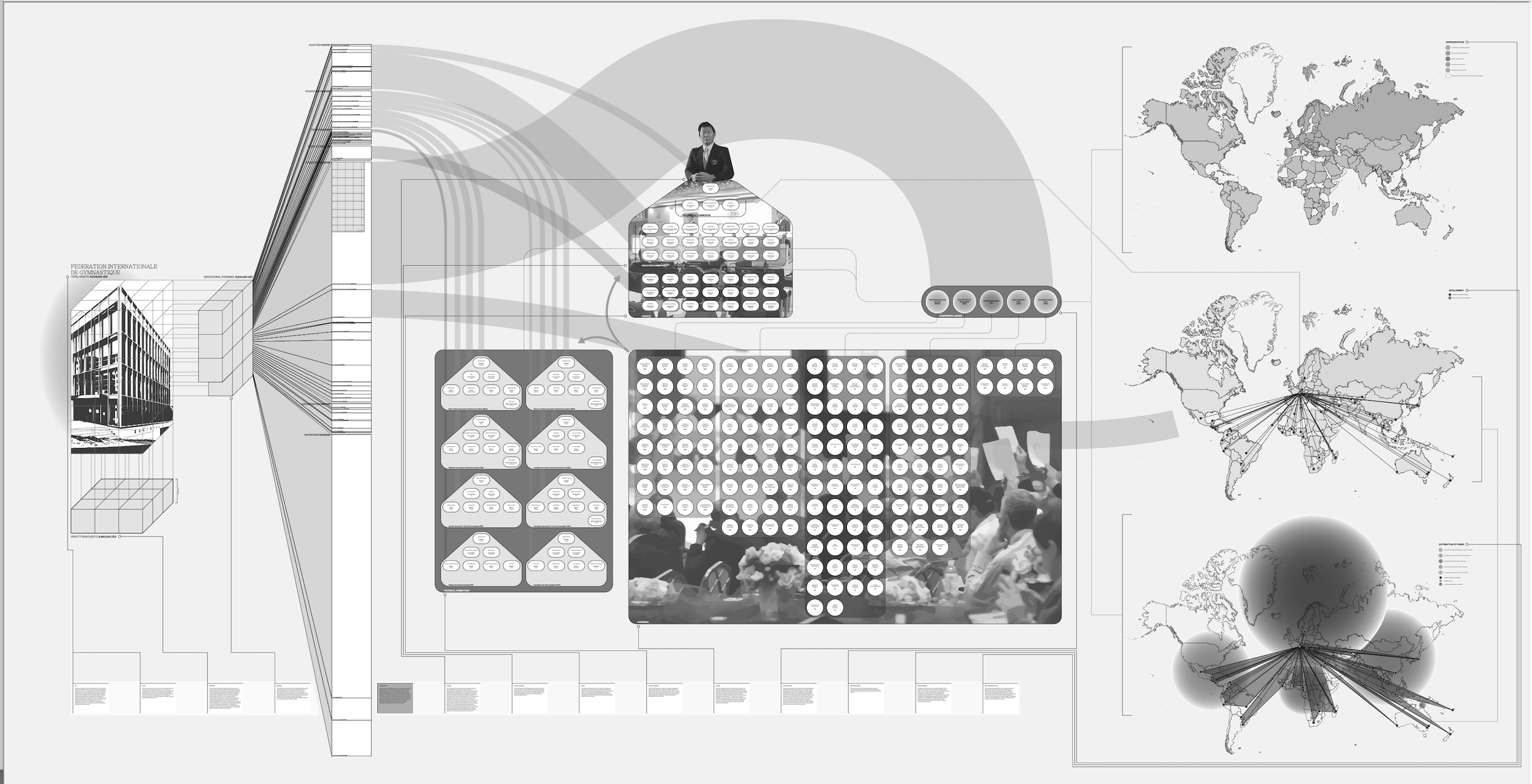
Community Support
Our community events and projects provide space for affected people to experience empowerment through fellowship. Art has the power to bring people together and has always played an important role in challenging norms and demanding social justice.
Supporting You Through Complaints Processes
If you have been let down or harmed by participation in gymnastics, we can support you in making a complaint. We provide practical, compassionate support throughout complaints processes.
This begins with listening - creating a safe space where you can share your experience at your own pace.
We then:
Explain the complaints process clearly
Help you understand relevant policies
Support you in preparing a strong, structured complaint
Assist at any stage - before, during, or after a complaint
We hear a wide range of concerns, including safeguarding failures, emotional and physical abuse, and sexual abuse - both recent and historic.
We also recognise that coming forward can be difficult. As a survivor-led trauma trained organisation, we ensure that from your first conversation with us, you are heard, believed and supported.

Recommended Resources


“Gymnasts for Change is an amazing space that offers a place of belonging for people from many different cultures. What I think is amazing is to have a sense of community where you can share what happened to you, but also acknowledge that your life is yours, your experiences are yours, and your way of living with, processing and doing something with that are important.”
— Klaudia Wittmann, Psychotherapist, G4CI